Рубрики
Все мои блоги и статьи!

Этимология. Пример #16. Слова «Баба Яга» (Baba Yaga) и «ступа» (stupa).

Этимология. Пример #16. Слова «Баба Яга» (Baba Yaga) и «ступа» (stupa).

21 ноября 2024 года.

Продолжаем важнейшую рубрику об этимологии слов. На сей раз поговорим о Бабе Яге, ступе и тех деталях, которые скрыты от многих в русском языке. Начнем с базы.

Первым объектом любви любого ребенка является МАть. Знаменитая фраза «I AM» дает нам с помощью обратного прочтения слово «МА», которое на божественном языке означает «my love» (моя любовь), «my mother» (моя МАть). Второе слово, которому учит детей сам Творец является слово «Pa» (Па), от санскритского и халдейского «Ba» (Ба) и «Aba» (Аба) или арабского «Baba» (Баба), что означает «father» (отец) и «love» (любовь). От халдейского «Ma» или «Am» (любовь и мать) римляне/латиняне получили слово «amare», а французы «amour» и «aimer». От арабского «baba» или «ba» греки получили слово «πατήρ», а латиняне «pater» (патер); французы — «père», испанцы — «padre» (падре), германцы — «vater», а англичане — «father».

Турецкое слово «baba» также означает «отец». В определенный момент данное слово стало употребляться в виде префикса у того или иного религиозного сановника Турции и Персии. Это напоминает фразу «святой отец». Данное слово также употребляется в знак уважения или из вежливости, как в случае с Али-Бабой.

Русский язык, с учетом данных базовых понятий, дает серьезный лингвистический сбой. Слово «баба» в русском языке несет с собой совсем не то значение, которое данное слово имеет в других языках. Это лишь один пример из многих.

Слово «ступа» (stupa). Куполообразный храм буддистов носил и носит название «ступа». В переводе с санскрита слово «ступа» означает «курган» или «насыпь», а также «коническое возвышение» из земли или созданное из камня. «Ступа» также означает место хранения реликвий.

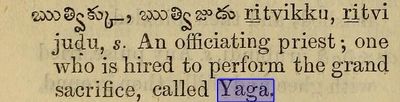
Теперь подробно остановимся на слове Яга (Yaga). Все возможные значения будут представлены вашему вниманию для формирования более четкого понимания фразы «Баба Яга» (Baba Yaga). На языках группы Ньянза слово «яга» (yaga) означает «ветер».

У меня на сайте есть видео «Анакалипсис — Яджна или Песах — Видео #24». Советую его просмотреть, т.к. я считаю его дополнением к данному материалу.

Индусы Индостана верят в то, что мир был создан в знаке овна и они начинают Новый год в апреле. В честь данного события отмечается праздник под названием «Yaga» (Яга). Яджна это лишь другое название данного праздника. Брахманы собираются в определенном месте, которое подготовлено специально для них. Они проводят ряд церемоний и приносят в жертву барана, которого посвящают солнцу и планетам. Целью является умиротворение ангелов-хранителей данных небесных светил, чтобы счастье сошло на верующих в Новом году.

«Yaga» (Яга) это подношение еды или напитка божеству.

В Янавансе приводится рассказ о брахманах, которые рекомендовали королям проводить подношение под названием «Яга». Если король желал провести данную процедуру, то брахманы помещали его на золотой диван и проводили процедуру помазания его головы святой водой, приговаривая при этом, что данная процедура смоет все последствия его грехов. После окончания подношения брахманы забирали с собой данный диван, ковер, королевские облачения и украшения. Брахманы таким образом обеспечивали себе достаток и изобилие.

Слово «yaga (яга) происходит от корня «yaj» (ядж) или «yag» (яг), который указывает на поклонение богам, на богов огня, воздуха (ВЕТРА) и они являются объектами поклонения через жертвоприношения/подношения. «Тот, кто желает себе процветания, должен принести в жертву белое животное, священное для Vayu (Вайю, бог воздуха)«.

Первоначальное значение слова «yag» (яг) на санскрите: «чтить», «почитать», «уважать» и «поклоняться» ( в особенности богам). «Yagya» (ягиа или ягья) означает «совершать жертвоприношение» или «приносить жертву»; «ягна» (yagna) и «яга» (yaga) означают «жертвоприношение».

«Ягван» (yagvan) — это тот, кто совершает процедуру или обряд жертвоприношения.

Кровавые ритуалы и обряды жервоприношения ведической Ягьи побудили Будду обнародовать доктрину не жестокого обращения с животными.

Мифология. Старуха или старая карга является третьим и завершающим аспектом тройной богини. Она это темная луна, зима, старость и знаток мистерий. Она ассоциируется с черным цветом, смертью и трансформацией. Старуха это учитель и мудрец, которую иногда называют «показывающей путь», т.к. она светит своей мудростью и все могут ее видеть. Она передает свои знания следующим поколениям и таким образом дает корни и обеспечивает непрерывность культурной традиции. Она дарует терпение и выдержку для выращивания детей, исцеляет больных и принимает решения относительно вопросов сообщества. Она известна под такими именами: Геката, Керидвен, Кали, Баба Яга, Женщина ветра, Мораг, Старая мельница, Морриган. Она ассоциируется с котом, змеей и психоделическими травами. В различных сказках она дарует мудрость тем, кто примет ее с почтением.

Другие примеры:

Этимология. Пример #15. Слова «Эрдоган» (Erdogan), «пацан» и др.

https://arbalettv.com/2024/11/20/post269/

Этимология. Пример #14. Слово «Орбан» (Orban).

https://arbalettv.com/2024/08/14/post266/

Этимология. Пример #13. Слово «Москва» (Moscow).

https://arbalettv.com/2023/05/15/post258/

Этимология. Пример #12. Слово “Угледар” (Ugledar).

https://arbalettv.com/2023/01/30/post254/

Этимология. Пример #11. Слово «Соледар» (Soledar).

https://arbalettv.com/2023/01/09/post253/

Этимология. Пример #10. Слово «Бахмут» (Bakhmut).

https://arbalettv.com/2022/12/23/post251/

Этимология. Пример #9. Слово «Херсон» (Kherson).

https://arbalettv.com/2022/11/14/post248/

Этимология. Пример #8. Слово «Конаш» (Konash).

https://arbalettv.com/2022/07/28/post232/

Этимология. Пример #7. Слово «Украина» (Ukraine).

https://arbalettv.com/2022/04/28/post204/

Этимология. Пример #6. Словa «Буча» и «Тернополь».

https://arbalettv.com/2022/04/12/post198/

Этимология. Пример #5. Слово «КУЛЕБА» + БОНУС.

https://arbalettv.com/2022/03/16/post189/

Этимология. Пример #4. Слова «РАС-ПУТ-ИН», «ПУТ-ИН» и «ТУНИП».

https://arbalettv.com/2022/03/10/post186/

Этимология. Пример #3. Слово «ZOGOR».

https://arbalettv.com/2022/02/28/post182/

Этимология. Пример #2. Слово «NEDIB».

https://arbalettv.com/2022/02/21/post179/

Этимология. Пример #1. Слово «COVID».

https://arbalettv.com/2021/01/27/post100/

Рубрики
Все мои блоги и статьи!

Этимология. Пример #15. Слова «Эрдоган» (Erdogan), «пацан» и др.

Этимология. Пример #15. Слова «Эрдоган» (Erdogan), «пацан» и др.

20 ноября 2024 года.

Мы с вами продолжаем разбирать важные этимологические примеры, которые, я надеюсь, помогают всем понимать многие события и процессы. Наука этимология является важнейшей единицей в арсенале любого здравомыслящего человека, но таких людей, к огромному сожалению, очень мало. На сей раз речь пойдет о слове «Эрдоган» (Erdogan). Мы, как и всегда, посмотрим на все возможные значения данного слова. Начнем.

Слово «эрдо» (erdo) в переводе, внимание, с венгерского означает «лес» или «леса». Следует отметить важный факт: «в венгерских этимологических словарях не указывается слово «эрдо» среди слов, которые имеют финно-угорское происхождение; данное слово заимствовано из другого языка. В эстонском и финском языках, которые принадлежат к одной с венгерским семье, слова «mets» (эст.) и «metsa» (фин.) означают «лес».» Данные слова, как хорошо видно, связаны между собой и совсем не похожи на венгерский аналог.

Слово «эрд»(erd) в переводе с англо-саксонского означает «eorth, earth» (земля). Данное слово выражает среду обитания животных.

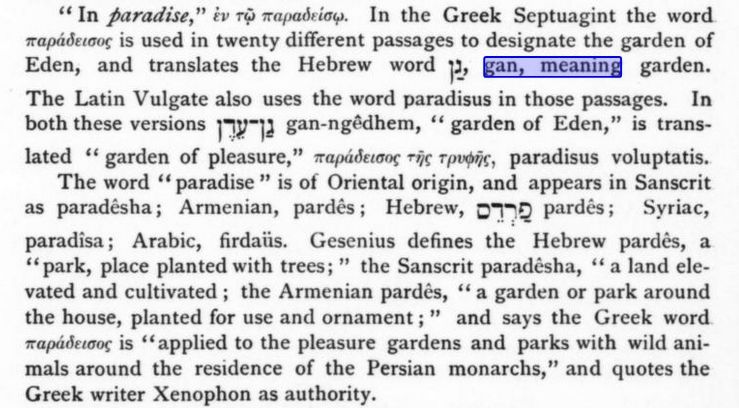
Слово «ган» (gan). В Септуагинте слово «παράδεισος» используется в 20-и различных местах для обозначения Эдемского сада и хибру слово «gan» (ган) соответственно означает «сад».

Первоначально слово «хан» состояло не из одного слога, а из четырех и звучало как «гаданаган» (gadanagan). От данного слова произошло слово «хан» (han). Существует мнение о том, что необходимо 2 тысячи лет для того, чтобы один слог перестал существовать. Первые три слога (слова) «гадана» (gadana) были утеряны один за одним в последние шесть тысяч лет, а последний слог (слово) «ган» (gan) все еще существует. Слово «ган» (gan) идентично слову «хан» (han). Это очень важно для понимания.

Слово «наг» (nag). В древнеирландском языке есть интересное словосочетание MAIDDIN-NAG, что означает утренняя звезда (Венера). Данное слово «наг» (nag) приводит нас к халдейскому и сирийскому языкам. Слово «наг» (nag) или «нага» (naga) означает «звезда» и в более конкретном значении — Венера (утренняя звезда) или Люцифер.

В английском языке слово «наг» (nag) означает «провоцировать» или «дразнить».

На санскрите данное слово «наг» (nag) означает «змей» и указывает на коварный характер людей.

В Индии слово «nagara» является прилагательным, которое произошло от «nagar» (нагар) в значении «город» или «место обитания». Слово «нагара» (нагарские брахманы) относится к шести основным кастам брахманов Гуджарата, которые имеют огромное влияние в Гуджарате. Наверное следует внести корректировку: не только в Гуджарате, но и за его пределами, причем в глобальном смысле данного слова.

Слово «Naga» (Нага) на всех языках Восточно-Индийского архипелага является именем или названием легендарного дракона.

Слово «Naga» (Нага), помимо значения «змей», также означает «слон».

Слово «Odre» в переводе с кельтского означает «предел» или «граница».

Арни Магнуссон считал, что слово Эдда (Edda) является женской формой древнего слова Odr (Одр), которое означает «мудрость» или «разум».

В качестве некоего бонуса я бы хотел привести значение слова «пацан». Вообще, если говорить в двух словах, все слова из так называемой фени можно проследить к Индии. Данный мини язык в языке принесли с собой люди, которые проживали и вышли из Индии. В России данные люди обучили коренные народы данному языку в языке и многие ребята сейчас гордятся тем, что они, к примеру, смешивают русские слова с феней, а зачастую просто добавляют несколько русских слов к фене. Другие горе умы говорят о великом мате России, на котором говорит большая часть современных жителей РФ. Украина, к слову, имеет другой язык, но мат звучит на нем также как и в России, что объясняется понятием «язык в языке».

Слова «сан» (san), «патсан/пацан» (patsan) и «патва» (patwa) в Индии означают определенный вид конопли, который не имеет опьяняющих свойств и выращивается для производства очень мягкой веревки. Есть ли связь между словом «пацан» и фразой «веревки вить»? Лучшее по качеству растение «патсан/пацан» произростало в Мируте и северных районах провинции Ауд/Аудия.

Растение голубиный горох имеет разновидность каян индийский (cajanus indicus) или arhar (архар). Так в русский язык «залетело» очередное индийское слово и появилось слово «архаровец».

В переводе с санскрита «феня» (phenya) означает «существующий в пене». О чем это говорит? О чем-то мимолетном и эфемерном как, например, сам пузырь. В этом значении кроется глубокая философия для полных дураков.

Другие примеры:

Этимология. Пример #14. Слово «Орбан» (Orban).

https://arbalettv.com/2024/08/14/post266/

Этимология. Пример #13. Слово «Москва» (Moscow).

https://arbalettv.com/2023/05/15/post258/

Этимология. Пример #12. Слово “Угледар” (Ugledar).

https://arbalettv.com/2023/01/30/post254/

Этимология. Пример #11. Слово «Соледар» (Soledar).

https://arbalettv.com/2023/01/09/post253/

Этимология. Пример #10. Слово «Бахмут» (Bakhmut).

https://arbalettv.com/2022/12/23/post251/

Этимология. Пример #9. Слово «Херсон» (Kherson).

https://arbalettv.com/2022/11/14/post248/

Этимология. Пример #8. Слово «Конаш» (Konash).

https://arbalettv.com/2022/07/28/post232/

Этимология. Пример #7. Слово «Украина» (Ukraine).

https://arbalettv.com/2022/04/28/post204/

Этимология. Пример #6. Словa «Буча» и «Тернополь».

https://arbalettv.com/2022/04/12/post198/

Этимология. Пример #5. Слово «КУЛЕБА» + БОНУС.

https://arbalettv.com/2022/03/16/post189/

Этимология. Пример #4. Слова «РАС-ПУТ-ИН», «ПУТ-ИН» и «ТУНИП».

https://arbalettv.com/2022/03/10/post186/

Этимология. Пример #3. Слово «ZOGOR».

https://arbalettv.com/2022/02/28/post182/

Этимология. Пример #2. Слово «NEDIB».

https://arbalettv.com/2022/02/21/post179/

Этимология. Пример #1. Слово «COVID».

https://arbalettv.com/2021/01/27/post100/

Рубрики
Все мои блоги и статьи!

Анакалипсис — Голубь ассирийцев. Халдеи. Черные евреи. Еврейские мифы в Нубии и Индии — Видео #39

Анакалипсис — Голубь ассирийцев. Халдеи. Черные евреи. Еврейские мифы в Нубии и Индии — Видео #39.

Дата премьеры видео на сайте Арбалет ТВ: 19 апреля 2021.

ВАЖНЕЙШАЯ РУБРИКА под общим названием «Анакалипсис».

Темы:
— Голубь ассирийцев.
— Халдеи.
— Черные евреи.
— Рассказ Мегасфена о евреях.
— Solymi или Соломоны.
— Иудаизм старше Авраама.
— Эллинизм.
— Еврейские мифы в Нубии и Индии.
— И много другой важной информации.

Ссылка на видео:
https://arbalettv.com/aiovg_videos/anacalypsis39/

ВНИМАНИЕ!!! Просьба к подписчикам: не забывайте оценивать видео, делиться им и отправлять ссылки друзьям, родственникам и знакомым. Это очень важно!

Рубрики
Все мои блоги и статьи!

Анакалипсис — Пятикнижие. Евреи — индийское или персидское племя? Финикия и Сирия — Видео #38

Анакалипсис — Пятикнижие. Евреи — индийское или персидское племя? Финикия и Сирия — Видео #38.

Дата премьеры видео на сайте Арбалет ТВ: 2 апреля 2021.

ВАЖНЕЙШАЯ РУБРИКА под общим названием «Анакалипсис».

Темы:
— Еврейское Пятикнижие и его публикация.
— Евреи — индийское или персидское племя.
— Название Финикии и Сирии.
— Причина миграции Авраама.
— Abaris и его значение.
— Племя евреев Yadus.
— Языческие имена Бога.
— Сложность метемпсихоза.
— Профессор Хайд показывает, что Авраам был брахманом.
— И много другой важной информации.

Ссылка на видео:
https://arbalettv.com/aiovg_videos/anacalypsis38/

ВНИМАНИЕ!!! Просьба к подписчикам: не забывайте оценивать видео, делиться им и отправлять ссылки друзьям, родственникам и знакомым. Это очень важно!

Рубрики
Все мои блоги и статьи!

Tamul Book Konneivenden, written by the Female Philosopher Avyar (aka Ayvar)


Translation of the Small Tamul Book Konneivenden, written by the Female Philosopher Avyar (aka Ayvar) as appeared in the seventh volume of the «Asiatic Researches» in 1808.


Continual praise be to the Son of him, who is crowned with the flower of Konnei (Poinciana pulcherrima.)

Mother and Father are the first known Deity.

A good man attendeth religious service.

Without one’s own house there is no where a good lodging.

The estate of the wicked will he robbed by the wicked.

Modesty is the best ornament of the fair sex.

If one maketh himself hateful to his fellow creatures, he must entirely

perish.

Exercise in writing and cyphering is most useful.

Obstinate children are like a poisonous draft.

Though thou are very poor, do what is honest.

Adhere chiefly to the only one constantly.


The virtuous will always improve in wisdom and knowledge.

A wicked mouth destroys all wealth.

Seek wealth and money, but without quarrel.

Give in writing what shall stand fast.

A woman must attend herself best.

Even with thy nearest friends speak not impolitely.

Speak friendly even to the poor.

If one will criticise, he will find some fault every where.

Speak not haughtily, though thou art a great man.

To pardon is better than to revenge.

What shall stand firm must have witnesses.

Wisdom is of greater value than ready money.

To be on gooil terms with the King is useful in due time.

A calumnious mouth is a fire in the wood.

Good advisers are hated by the world.

The best ornament of a family is unanimity.

What a senior says, must a junior not despise.

If thou cherishest passion, all thy merit is lost.

Get first the plough, and then look out for the oxen.

A moral life has a happy influence on the public.

Gaming and quarrelling bring misery.

Without practical virtue there is no merit.

Keep a proper time even for thy bed.

Be peaceful, give and be happy.

A merchant must he careful with money.

Laziness brings great distress.

To obey the father is better than prayer.

To honour the mother is better than divine service.

Seek thy convenient livelihood shoudst thou even do it upon the sea.

Irreconcileableness ends in quarrel.

A bad wife is like a fire in the lap.

A slandering wife is like a devil.

Without the mercy of the Deity nothing will prosper.

He who squanders away even what he has not gained justly must perish at last.

In January and February sleep under a good roof.

Better eat by hard labour than by humble begging.

Speak not what is low even to thy friend.

Without a clean conscience there is no good sleep.

If the public is happy, all are safe.

Improvement in wisdom improves our veracity.

Seek a house where good water is at hand.

Deliberate first well what thou art going to begin.

The reading of good books will improve welfare.

Who speaks as he thinks is an upright man.

What we propose we must pursue with zeal.

We must not speak dishonestly even to a poor man.

Dishonesty will end in infamy.

Laziness brings lamentations.

The fruit will be equal to the seed.

We cannot always drink milk, but must submit to the time.

An honest man does not touch another’s property.

The name of a true great man will ever remain in esteem.

Lies are as much as murder and robbery.

What honesty can be expected from low fellows?

Amongst relations civility is often neglected.


A mild temper is a beauty in women.

The meek are the happiest.

Keep thyself from all that is bad.

Wisdom is the direct way to Heaven.

Let thy fellow creatures partake in thy enjoyments.

Where there is no rain, there is no crop.

After lighting follows rain.

Without a good steerer a ship cannot sail.

Who sows in time will have a good crop.

The precepts of the old ought to be cheerfully observed.

Who keeps the proper time to sleep will sleep well.

The plough never will let one suffer want.

Live in matrimony and be moderate.

Who breaks his word loses his interest.

Abhor and fly from lasciviousness.

Gain by deceit will at last be lost.

If Heaven is not favourable nothing will prosper.

From impolite people honesty can’t be expected.

The words of the haughty are like arrows.

A family ought to support their poor.

A great man must also have a great mind.

A good man will never deceive.

If the Lord is angry, no man can save.

All the world shall praise God.

Sleep on a safe place.

Without religion is no virtue.


End of the Moral Sentences called Konneivenden, written by Avyar.

Рубрики
Все мои блоги и статьи!

Kalwioluckam, or Rules of Learning, by Avyar (aka Ayvar)


Translation of the Kalwioluckam, or Rules of Learning, by Avyar as appeared in the seventh volume of the «Asiatic Researches» (1808).


The zealous study of sciences brings increasing happiness and honour.

From the fifth year of age learning must begin.

The more we learn the more understanding we get.

Spare no expence to learn reading and writing.

Of all treasures, reading and writing are the most valuable.

Learning is really the most durable treasure.

An ignorant man ought to remain dumb.

He who is ignorant of reading and writing, is indeed very poor.

Though thou should’st be very poor, learn at least something.

Of each matter endeavour to get a clear knowledge.

The true end of knowledge is to distinguish good and bad.

He who has learned nothing is a confused prattler.

The five syllables Na ma si va yah contain a great mystery.

He who is without knowledge is like a blind man.

Cyphering must be learned in youth.

Be not the cause of shame to thy relations.

Fly from all that is low.

One accomplished philosopher is hardly to be met with among thousands.

A wise man will never cease to learn.

If all should be lost, what we have learned will never be lost.

He who loves instruction will never perish.

A wise man is like a supporting hand.

He who has attained learning by free self application, excels other philosophers.

Continue always in learning, though thou should’st do it at a great expence.


Enjoy always the company of wise men.

He who has learned most is most worthy of honour.

What we have learned in youth, is like a writing cut in stone.

Speak the Tamul language not only elegantly, but also distinctly.

False speaking causes infinite quarrels.

He who studies sophistry and deceit, turns out a wicked man.

Science is an ornament wherever we come.

He who converses with the wicked, perishes with them.

Honour a moral master (tutor.)

Speak slowly when thou conversest or teachest.

He who knoweth himself is the wisest.

What thou hast learned teach also to others.

Learn in a proper manneq then thou wilt succeed in being wise.

He who will be a tutor, must first have a well grounded knowledge.

If one knows what sin is, he becomes wise.

The wicked will not accept of instruction.

Do not fix thy attention on vain women.

Well principled wise men approach the perfection of the Divinity.

Begin thy learning in the name of the Divine Son, (Pulleyar.)

Endeavour to be respected amongst men by learning.

Let thy learning be thy best friend.

Use the strongest intreaties where thou canst learn something, then wilt thou become a great man in the world.

All perishes except learning.

Though one is of a low birth, learning will make him respected.

Religious wise men enjoy great happiness.

Though thou should’st be one hundred years old, endeavour still to increase in knowledge.


Wisdom is firm grounded even on the great ocean.

Without wisdom no where is there ground to stand upon.

Learning also suits old age.

Wise men will never offend any by speaking.

Accept instructions even from men of a low birth.

Do not behave impolitely to men of learning.

Poets require a great deal of learning.

The unwise only flatter others.

Seek honor, and thou shalt get it.

The virtuous aee also tutors.

Wisdom is the greatest treasure on earth.

The wiser the more respected.

Learning gives great fame.

Learn one thing after the other, but not hastily.

A science in which we take no pleasure is like a bitter medicine.

Speak so that town and country people may understand thee.

Wise men are as good as kings.

Do not deceive even thine own enemy.

Hast thou learned much, communicate it also in an agreeable manner.

In whom is much science, in him is great value.

The present Tamul language does not equal the old.

He that knows the sciences of the Antients, is the greatest Philosopher.

Truth is in learning the best.

Wise men are exalted above all other men.

True philosophy does not suffer a man to be put in confusion.

In proportion as one increases in learning, he ought also to increase in virtue.

The most prosperous good is the increase in learning,

He who has no knowledge knows not also the truth.

Wisdom is a treasure valued every where.

A good tutor is beloved over the whole world.

What we gain by science is the best estate, (inheritance).

Adore the Goddess Sarasbadi.

The Vedam (sacred writings) teaches wisdom.

Speak and write for the benefit of the public.

He who speaks well and connectedly, is best understood by all.

If knowledge has a proper influence on the mind, it makes us virtuous.


End of the Moral Book Kalwioluckam, composed by Avyar.

Рубрики
Все мои блоги и статьи!

Atisudi, by Avyar (aka Ayvar)

Translation of the Atisudi, by Avyar as appeared in the seventh volume of the «Asiatic Researches» (1808).


Glory and Honour be to the divine son of him, who is crowned with the flowers of the Ati (Bauhinia tomentosa.) Clarification: Shiven is represented with this flower round his head, and Pulleyar or Vickinesuren is his first Son who is here implored.

Charity be thy pleasure.

Be not passionate.

Be not a miser in giving.

Hinder none in charity.

Do not manifest thy secrets.

Lose not thy courage.

Exercise thyself in cyphering and writing.

To live on alms is shameful.

Give, and then eat.

Converse only with the peaceful.

Never cease to improve in learning.

Do not speak what is dishonest.

Do not raise the price of victuals.

Do not say more than thou hast seen..

Take care of what is most dear.

Bathe on each Saturday.

Speak what is agreeable.

Build not too large a house.

Know first one’s character before thou art confident.

Honour thy father and mother.

Do not forget benefits received.

Sow in due time.

Tillage gives the best livelihood.

Do not walk about melancholy.

Do not play with snakes.

Bed thyself on cotton, (soft.)

Do not speak craftily.

Do not flatter.

Learn whilst thou art young.

Do not forget what is best for thy body.

Avoid affectation.

Forget offence.

To protect is noble.

Seek a constant happiness.

Avoid what is low.

Keep strongly what is good.

Do not part with thy friend.

Do not hurt any body.

Hear and improve.

Do not use thy hands to do mischief.

Do not desire stolen goods.

Be not slothful in thy actions.

Keep strictly to the laws of the country.

Keep company with the virtuous.

Be not a scoffer.

Do not act against the custom of the country.

Make not others blush by thy speaking.

Do not love gaming.

What thou dost, do with propriety.

Consider the place where thou goest.

Do not walk about as a spy.

Do not speak too much.

Do not walk about like a dreamer.

Converse with those who are polite.

Endeavour to be settled at a fixed place.

Dedicate thyself to Tirumal, Vishtnoo.

Abhor what is bad.

Indulge not thy distress.

Save rather than destroy.

Speak not disrespectfully of the Deity.

Be on good terms with thy fellow citizens.

Do not mind what women say.

Do not despise thy ancestors.

Do not pursue a conquered enemy.

Be constant in virtue.

Have a regard for country people.

Remain in thy station.

Do not play in water.

Do not occupy thyself with trifles.

Keep the divine laws.

Cultivate what gives the best fruit.

Remain constantly in what is just.

Do thy business without murmur.

Do not speak ill of any body.

Do not make thyself sick.

Mock not those who have any bodily defect.

Go not where a snake may lie.

Do not speak of others faults.

Keep far from infection.

Endeavour to get a good name.

Seek thy livelihood by tilling the ground.

Endeavour to get the protection of the great.

Avoid being simple.

Converse not with the wicked.

Be prudent in applying thy money.

Come not near to thine adversary.

Choose what is the best.

Do not come near one who is in a passion.

Avoid the company of cholerick men.

Converse with those who are meek.

Follow the advices of wise men.

Go not into the house of the dancing girls.

Speak distinctly to be well understood.

Abhor bad lusts.

Do not speak falsely.

Do not like dispute.

Love Learning.

Endeavour to get a house of your own.

Be an honest man.

Live peaceful with thy fellow citizen.

Do not speak frightfully.

Do not evil purposely.

Be clean in thy clothes.

Go only where there is peace.

Love religious meditation.